|
As November approaches, it’s the perfect time to pause, reflect, and honor both in the spirit of Día de los Muertos and in the spirit of your own Spanish-learning journey. In Spanish we often say “honrar el camino” (to honor the path). Whether you're just starting in Spanish or you’re nearing fluency, each step you’ve taken, each stumbling “no entiendo,” each brave conversation attempt, and each moment of joy when you understood something new—has shaped you. 1. Why November and Día de los Muertos matter From November 1–2, Día de los Muertos invites us to remember, celebrate, and maintain connection with those who came before. It isn’t only about mourning; it’s about honoring life, memory and legacy. The tradition of Día de los Muertos traces back to Indigenous Mesoamerican cultures and was later shaped by Spanish Catholic influences. Central to the celebration is the ofrenda, a symbolic altar adorned with photos, food, candles, and cherished objects. Its purpose is to welcome the spirits of loved ones and honor their continued presence in daily life. As the article The Why Factor: How Motivation Powers Your Language Journey describes, “Día de los Muertos is a time of remembrance and celebration of life … death is viewed as a part of the natural cycle of life.” In your Spanish-learning journey, you’ve also built a kind of “ofrenda” of experiences: the grammar you studied, the conversations you attempted, the cultural insights you discovered. Each is worth honoring. 2. Reflecting on your path: The ups, the downs, and the growth Learning a language is rarely linear. There are plateaus, moments of doubt, and sudden breakthroughs that remind you why you started. The key is realizing that every one of those stages has value. According to studies in The Journal of the European Second Language Association, learners experience a noticeable rise in positive emotions as they progress from beginner to intermediate levels. This is so not because the language becomes easier, but because confidence grows with persistence (euroslajournal.org). Research in Psychology Today also shows that looking back at one’s learning process helps the brain consolidate knowledge and strengthens long-term memory (psychologytoday.com). In other words, taking stock of your experiences isn’t self-indulgent; it’s scientifically proven to make you a better learner. So instead of measuring your journey only by milestones or grammar levels, think of it as an evolving story that grows richer with every new challenge and every attempt at communication. Progress is not perfection; it’s continuity. 3. Using the spirit of honor to recommit Just as Día de los Muertos invites us to open the door between past and future, your Spanish-learning story invites you to keep moving forward. This month is an opportunity to channel that spirit into your fluency goals.
Here’s to Honoring Your Camino and to the Adventures Still AheadNovember invites us into a rich metaphor: just like Día de los Muertos honors those who came before and reflects the cycle of life and renewal, your Spanish journey honors experiences past, acknowledges the present, and points toward the future.
So, do not let this opportunity pass you by. Celebrate your path. Learn from its turns. And recommit with clarity and purpose.
0 Comments
When students begin a Spanish class, they often expect grammar drills, vocabulary lists, and conversation practice. But when the rhythms of salsa, bachata, or flamenco are woven into the learning experience, the impact is immediate. Suddenly, language comes alive not just as words on a page, but as sounds, rhythms, and cultural expressions that connect learners to something larger. Music is far more than a fun extra. It is a powerful tool that deepens language learning, strengthens memory, and brings students closer to the heartbeat of Hispanic culture. And during Hispanic Heritage Month (Sep 15 - Oct 15), there is no better time to celebrate how these traditions enrich both our classrooms and our communities. Why Music Boosts Language Learning 2025 Hispanic Heritage Month picture from the Office of Equity & Inclusion
Work Life Spanish as a Heritage Month Bridge Hispanic Heritage Month was created to recognize the history, culture, and contributions of Hispanic communities in the United States. For language learners, it is an opportunity to move beyond textbooks and connect with the living traditions that shape Spanish-speaking cultures. At Work Life Spanish, music is woven into both our courses and our clubs because it is one of the most effective ways to make language come alive. In every class, learners encounter songs and rhythms that reinforce cultural awareness, while our Music Club and Culture Clubs take this even further, giving students the chance to explore music in depth. Learners not only listen to songs, analyze lyrics, and practice speaking, they also uncover the cultural stories behind rhythms such as salsa, bachata, tango, and flamenco. Through this approach, students gain a deeper connection with both the Spanish language and the diverse communities that speak it. They discover how music carries history, values, and collective memory, while practicing Spanish in a way that feels natural, joyful, and inspiring. A Heritage Month Invitation Hispanic Heritage Month reminds us that language and culture are inseparable. By bringing music into the classroom and into our community learning spaces, students experience Spanish not only as a subject, but as a living tradition. For those with Hispanic roots, it can be a moment of recognition and pride. For others, it becomes a path to empathy and appreciation.
At Work Life Spanish, we invite you to join us this month and beyond. Explore the songs, follow the rhythms, and let music carry your Spanish forward. In today’s global economy, Spanish is more than a widely spoken language... it’s a professional tool. From securing a position abroad to serving clients, patients, or partners in the U.S., knowing Spanish can make the difference between simply communicating and truly connecting. But when it comes to professional betterment, not all Spanish learning is the same. A growing body of research highlights that Spanish for Specific Purposes (SSP), an approach tailored to particular industries such as business, law, health, or tourism, is what allows employees and employers to achieve concrete professional goals. What Makes Spanish for Work Different? Unlike general Spanish courses that focus on daily communication, SSP courses teach the specialized vocabulary, grammatical structures, and registers needed for professional contexts. Myers & Ruggiero (2024), in their study Professional Communication in SSP, show that SSP emphasizes workplace interaction and prepares learners for the real scenarios they’ll face in their professional roles. A key element of SSP is authenticity. Instruction is built around simulations of real professional tasks, from negotiating contracts to drafting professional correspondence or conducting medical interviews (Domínguez & Darhower, 2025). These activities are not isolated drills; they reproduce the exact communicative demands professionals will encounter, which makes the acquired skills directly transferable to the workplace. In this sense, the aim of SSP is not just to teach “correct” Spanish, but the right Spanish for the field—anchored in the terminology, conventions, and etiquette of that profession. Another defining feature of SSP is the attention it gives to register and cultural nuance. Communicating with a patient, drafting a legal report, or managing a business negotiation all require different levels of formality and stylistic choices. SSP courses explicitly teach learners how to navigate these registers so that they can switch appropriately between everyday conversation and the specialized discourse of their profession. This goes beyond vocabulary lists: it includes complex grammatical structures, professional politeness strategies, and culturally appropriate ways of addressing clients, colleagues, or authorities. Finally, SSP highlights the interdisciplinary reach of Spanish. Programs have been successfully designed for law, healthcare, business, tourism, and even engineering—fields where communication is often technical but still requires a cultural and interpersonal dimension. By situating Spanish within these contexts, learners are not only studying a language; they are practicing the professional tasks that will allow them to thrive in diverse workplaces and global markets. From Industry Demand to Proven Success at Work-Life SpanishThe benefits of SSP extend widely for both employees and employers. For employees, the training fosters greater confidence in client and patient interactions, mastery of domain-specific vocabulary, and the ability to access career mobility abroad or within bilingual workplaces. For employers, the advantages are equally significant: better quality of service for Spanish-speaking customers, increased competitiveness in global markets, and stronger cross-cultural communication within teams. In short, learning general Spanish opens doors, but learning Spanish for work makes professionals effective once they step through them. This rising effectiveness explains why organizations across industries are increasingly reporting demand for Spanish tailored to their professional fields, such as tourism, engineering, healthcare, and beyond, where both cultural nuance and technical vocabulary are essential (Instituto Hemingway, 2025). At Work-Life Spanish, we’ve seen this same demand reflected in the experiences of our students. Over the years, we’ve guided lawyers preparing for immigration cases, healthcare workers building trust with Spanish-speaking patients, and diplomats seeking the linguistic and cultural agility to work across borders. Our approach goes beyond memorization or traditional classes. We design immersive, workplace-relevant courses that give professionals the vocabulary, structures, and practice they need to achieve their goals, whether that means landing an international role, providing top-tier service, or advancing within their company. It’s important to note that SSP is not designed for complete beginners. Because it focuses on specialized language for complex professional settings, learners need a foundation in Spanish before they can fully benefit. That said, at Work-Life Spanish we believe all students should aspire to eventually experience SSP. For many, it represents the next step beyond communicative fluency: an opportunity to harness Spanish as a tool for true professional empowerment once their skills allow. Turning Spanish into Professional Growth Opportunity Learning Spanish has long been associated with travel, culture, and everyday communication. But in professional contexts, the stakes are higher. What SSP demonstrates is that fluency is not an end point, but a foundation on which precision, professionalism, and cultural awareness must be built. The future of workplace Spanish lies in preparing professionals not just to “get by” in another language, but to negotiate, persuade, collaborate, and serve with the same confidence they command in their first language. For this reason, specialized approaches to Spanish learning are more than a niche trend: they represent the evolution of language education in step with the realities of a global workforce. With decades of experience guiding professionals through this process, Work-Life Spanish continues to bridge the gap between academic research and workplace application. Our mission is to ensure that learners move beyond basic fluency and into a level of mastery that transforms language into opportunity. In the end, Spanish for professional growth is about more than learning words and grammar. It is about opening pathways: to new markets, to greater equity in service, and to careers that transcend borders. And with the right guidance, every learner has the potential to take that step. Have you ever thought about how learning a second language could impact your job opportunities? And more specifically, have you considered the unique benefits of learning Spanish over any other language? What kinds of advantages, both personal and professional, could you gain by mastering this beautiful Romance language? To answer these questions and more, we decided to dive into the research and bring you key insights that could make all the difference in your decision to start learning a language, especially Spanish with Work-Life Spanish. Why Learning a Second Language Boosts Your CareerSpeaking a second language, especially Spanish, offers many general career benefits: improved cognitive skills, broader networking, stronger interpersonal abilities, and enhanced adaptability. According to the University of the Potomac, bilinguals show better attention span, creativity, memory, multitasking, and problem‑solving abilities. Research also shows that bilingualism sharpens executive control functions like task-switching and inhibitory control, which employers highly value. Washington Tech also notes that individuals with second-language skills are more likely to earn job interviews, receive job offers, and be recommended for leadership roles. Many job sectors, beyond interpretation or translation, prefer candidates who bring cultural awareness, empathy, and cross-cultural communication skills. Specific Advantages of Spanish in the Workplace While learning any second language can enhance your career, Spanish stands out as one of the most valuable and strategic choices, especially in today’s global economy. It is the official language in 20 countries and spoken by hundreds of millions of people worldwide. This opens doors across Latin America, parts of Europe, and international markets, making Spanish fluency highly versatile in global business, diplomacy, education, and more. In fact, Spanish is the second most spoken language in the United States, offering concrete benefits that go far beyond cultural enrichment. From higher salaries to broader professional networks and increased demand across diverse industries, the impact of Spanish on your career can be both immediate and long-lasting. Higher earning potential is one of the clearest advantages. Glassdoor data cited by the University of Texas Permian Basin suggests that bilingual employees earn around $8,700 more annually when proficient in Spanish. Bilingualism in general correlates with average salary increases of around $3,000 per year in both the U.S. and the U.K. Additionally, a study published in the Journal of Teaching and Learning for Graduate Employability, titled Self‑Perceived Employability and Mobility, found that Spanish bilingual graduates rated their employability and global mobility significantly higher than their monolingual peers, even among those who hadn’t worked abroad. Why Spanish... and Why Work-Life Spanish? Spanish remains the second most taught and used foreign language in the U.S., and with good reason. Learning it positions professionals to connect with one of the largest and most economically significant demographics both locally and globally. Compared to less widely spoken languages, Spanish offers broader access, greater utility across industries, and long-term return on investment for your career. At Work-Life Spanish, we strive to help adult learners integrate Spanish into their real-world goals. Whether you're preparing for a promotion, working with bilingual clients, or simply aiming to become a more confident communicator in the workplace, our practical, immersive courses, clubs, and private tutoring programs are designed to meet you where you are and take you where you want to go. So, if you’ve ever wondered whether learning Spanish is worth it, the answer is clear: it’s one of the smartest and most empowering investments you can make in your personal and professional growth. So… are you ready to take the next step in your professional career? How Learning a New Language Keeps Your Brain Young: The Science of Neuroplasticity Across Ages6/27/2025 Did you know your brain is capable of changing and adapting throughout life? Whether you're five or fifty-five, learning a new skill—especially a new language—can literally reshape your brain. This remarkable ability is called neuroplasticity, and it's one of the most powerful tools we have to keep our minds sharp, flexible, and healthy. What is Brain Plasticity? (And How It Changes with Age) Our brains aren't fixed like concrete—they're more like clay. Neuroplasticity refers to the brain's ability to reorganize itself by forming new neural connections throughout life. This can happen when we:
There are two key types of plasticity: 🧩 Structural plasticity: Physical changes in the brain's structure, like growth in gray matter or stronger connections between brain regions. ⚡ Functional plasticity: Changes in how efficiently or flexibly different areas of the brain communicate during tasks. Studies show that children experience what's called a "critical period" where the brain is exceptionally plastic. During this time:
In adults, it's commonly believed that neuroplasticity disappears with age. However, contrary to popular belief, it doesn’t disappear—it simply slows down. Groundbreaking research by neuroscientist Mark Rosenzweig showed that even adult brains can remodel structurally when exposed to new, enriching experiences. How Learning a New Language Boosts Brain Plasticity Learning a new language doesn’t just open cultural doors—it keeps your brain resilient and young. For young children, exposure to rich language environments has been shown to stimulate increased growth in the areas of the brain responsible for processing sounds and words. In adults, mastering new skills may require more effort, but the brain remains fully capable of forming new neural pathways—especially through learning languages. A study published by the National Library of Medicine confirms that second language learning promotes neuroplasticity, even in aging brains, offering real protection against cognitive decline. For example, bilingual adults tend to develop symptoms of dementia 4–5 years later than monolinguals. Other researchers have found that bilingualism not only protects against age-related deterioration but also enhances executive function—evidenced by better memory, improved focus, and greater mental flexibility well into older age. In short? It’s never too late to learn a new language—and your brain will thank you for it. Keep Your Brain Young, One Word at a TimeWhether you're helping your child learn Spanish or diving into it yourself as an adult, you're not just expanding your vocabulary or experiencing cultural diversity—you’re also rewiring your brain for health, flexibility, and longevity.
The science is clear: learning a new language boosts brain plasticity, enhances cognitive function, and provides lasting health benefits at any age. So, ¿por qué no empezar hoy? Why not start today? At the GWATFL conference earlier this May, Work-Life Spanish educator Mindy Martinez and I attended a session that left a lasting impression. The topic? Kaizen—a Japanese philosophy centered on continuous improvement through small, consistent actions. What fascinated us wasn’t just the business origins of this concept, but how naturally it could be applied to language learning. It got us thinking: what if Kaizen could become a mindset for our Spanish students—not just in class, but in clubs, private lessons, and beyond? We believe it can. And more importantly, we believe it works. What is Kaizen? The word Kaizen combines two Japanese characters: Kai (change) and Zen (good). Together, they express the idea of “changing for the better.” In the world of business, Kaizen is about gradual, sustainable improvement led by everyone in the organization—not just top-down decisions. Over time, these micro-improvements add up to major progress. But the concept isn't limited to the corporate world. Kaizen is a powerful tool for personal development too—especially when learning something as challenging and rewarding as a new language. Kaizen in Your Spanish Journey At Work-Life Spanish, we’ve always believed that learning is a journey, not a race. The Kaizen philosophy aligns beautifully with how we encourage students to grow—step by step, class by class, conversation by conversation. Here’s how we suggest you can bring Kaizen into your Spanish studies: 1. Begin with One Small Action Instead of aiming for big breakthroughs, try taking one tiny, intentional step today. Review vocab for five minutes. Say “¡Hola!” in your club chat. Practice a phrase while walking the dog. The key is: just begin. Small, steady actions add up. 2. Treat Class Like a Testing Ground Use your classes as a place to experiment and improve. Didn’t get the difference between ser or estar? That’s okay. Try asking a question, practicing with a classmate, or reviewing just one example. See what helps—and repeat. Kaizen is all about adjusting, not judging. 3. Turn Clubs into Practice Labs Think of every club meeting as a mini-lab for building confidence. Pick one thing to focus on—like using a past tense to ask questions in Spanish. See how it goes. Then build on it next time. Each club = another step forward. 4. Notice and Celebrate Small Wins Make a habit of recognizing your progress. Did you use a word correctly in conversation? Catch yourself understanding more of a song? Write it down. Share it. Smile about it. Momentum grows from acknowledgment. 5. Collaborate to Improve Ask a classmate how they study. Offer someone a helpful resource. Form a study group—or just send a vocab list to a friend. In the spirit of Kaizen, improvement works best when it’s shared. Why Kaizen WorksChange feels easier—and lasts longer—when it’s incremental. Kaizen reduces resistance, builds habits, and makes the journey enjoyable. That’s why Mindy and I walked away from the GWATFL conference so inspired. It’s not about overhauling your whole study routine. It’s about adopting a mindset that says: “Let’s just do a little better today than yesterday.”
So, what would it look like to Kaizen your Spanish this week? One new phrase. One new insight. One more class or club. Tiny habits. Thoughtful reflection. Shared growth. That’s Kaizen. And that’s what we at Work-Life Spanish invite you to embrace. For students eager to build fluency in Spanish, traditional classroom study often isn't enough. Real breakthroughs happen when learners step into the culture itself—when Spanish becomes not just something they study, but something they live and breathe each day. Language learning thrives on real-world experience — and few experiences are more transformative than an exchange program. This is why, at Work-Life Spanish, we know that true language mastery doesn't happen in isolation, and we encourage our students to embrace immersion experiences that mirror the life-changing impact of international exchange programs. Why Immersion Matters for Language Acquisition Studies, and personal stories alike, show that immersion dramatically accelerates second language acquisition. When students live with host families, attend local schools, volunteer in the community, and celebrate local traditions, language stops being a school subject — it becomes a way of life. This kind of full cultural integration helps learners:
In immersion, every restaurant menu, street sign, and social gathering becomes a classroom. Every challenge — from navigating a new city to celebrating unfamiliar holidays — becomes a lesson. And every victory — understanding a joke, making a new friend — becomes proof that fluency is within reach. Building Lifelong Skills Beyond Language Students who participate in immersion programs not only master vocabulary and grammar but also develop cultural fluency: the ability to connect deeply, respectfully, and meaningfully with Spanish-speaking communities around the world. This level of understanding gained through exchange and immersion programs foster independence, adaptability, and cross-cultural empathy — skills that benefit students for life, while also opening professional doors, strengthening personal relationships, and broadening the learner’s global perspective for life. Participants return not only speaking Spanish with greater confidence but also equipped with a global perspective, resilience, and an open mind. This is why, at Work-Life Spanish, we believe these experiences are essential not just for language development, but for building global citizens who can thrive in an interconnected world. Work-Life Spanish: Bringing Immersion Opportunities to You Inspired by stories of transformational growth through programs like the Rotary Youth Exchange, show how living abroad can ignite a lifelong passion for languages, travel, and connection. That’s why Work-Life Spanish offers carefully designed immersion trips that bring the spirit of cultural exchange to modern adult learners—whether you're learning Spanish or already fluent and seeking deeper engagement. These immersive experiences go far beyond classroom learning. Participants prepare in advance, travel with a supportive group of like-minded adventurers, and experience Spanish through every aspect of the journey—conversation, community, and exploration. From yoga and hiking to local excursions and homestays, each activity is intentionally crafted to foster meaningful cultural and linguistic connection. With pre-trip preparation, real-world language use, wellness-based adventures, and post-trip reflection, our immersion programs are more than travel—they are a chance to truly live Spanish. Take the First Step Toward FluencyExchange programs have always taught us that the world is our classroom—and everyone we meet is a potential teacher. That philosophy lives on in Work-Life Spanish’s approach to immersion.
Whether you're just beginning your Spanish journey or ready to move beyond the classroom, full immersion remains one of the fastest and most inspiring ways to grow—linguistically, culturally, and personally. These are the kinds of experiences that build fluency, confidence, and lifelong memories. There’s never been a better time. Step beyond the classroom. Step into the world. Step into the language. Discover the upcoming Work-Life Spanish Immersion Programs and take your Spanish—and your global connections—to the next level. "I was feeling stuck in my Spanish learning journey. I had taken multiple classes before but never felt like I was making real progress.” Sound familiar? Many learners feel stuck at the beginner or intermediate level. Despite using apps, taking traditional classes, and even trying self-study, they find themselves unable to hold real conversations. Why does this happen?The plateau effect affects many learners of the Spanish language, and it can be caused by three main reasons: ❌ No Clear Path Forward – Without a structured progression plan, students finish one course and don’t know what to do next. Motivation drops, and fluency stagnates. ❌ Lack of Consistent Practice – Two hours per week isn’t enough. Without regular opportunities to speak in real conversations, students struggle to retain and apply what they’ve learned. ❌ Studying Without Expert Guidance – Grammar exercises don’t translate into fluency. Without feedback and correction, bad habits form, mistakes go unnoticed, and progress stalls. How can you break through this frustrating cycle? 1️⃣ Follow a Clear Learning PathFluency doesn’t happen by accident—it requires a structured, step-by-step program that tracks progress and builds skills incrementally. How the WLS Roadmap Helps: ✔ A full-year plan removes uncertainty—students always know their next step. ✔ Level exit exams measure progress and ensure readiness for the next level. ✔ Guaranteed enrollment prevents students from losing momentum due to full classes or scheduling conflicts. 2️⃣ Engage in Immersive PracticeSpeaking is a muscle—you need to use it consistently! Engaging in real conversations is essential for developing fluency. How the WLS Roadmap Helps: ✔ FREE monthly credits provide access to club events, private lessons, and makeup sessions—ensuring consistent practice all week long. ✔ Club events give you real-world speaking experience in a relaxed, engaging environment. ✔ Private lessons & makeup sessions allow you to refine weak areas and review material to stay on track. 3️⃣ Get Personalized GuidanceWithout expert feedback, it’s easy to plateau—an instructor helps you correct mistakes, set goals, and stay accountable so you don’t lose motivation. How the WLS Roadmap Helps: ✔ One-on-one coaching helps you pinpoint weaknesses and refine your skills. ✔ Goal setting with an expert gives you a personalized learning plan to ensure steady progress. ✔ Ongoing support keeps you motivated and accountable, so you never feel stuck. Make the Most of Your Roadmap by Mixing & Matching! If you've already made the smart decision to enroll in the WLS Annual Roadmap, be sure to take full advantage of all the resources available to accelerate your Spanish fluency! Our mix-and-match offerings are designed to work together, creating the ultimate progression plan so you’re learning, practicing, and reinforcing Spanish every single week. Build your foundation with structured lessons in a dynamic classroom setting! Our brand-new A1 Beginner Banter Club is perfect for early learners to practice speaking and listening! Get personalized guidance to refine your weaknesses and focus on the areas that matter most to you! Join us in Peru this October for an unforgettable cultural and language experience! Introduction: In today's fast-paced and competitive world, continuous learning and skill development are essential for personal and professional growth. At Work-Life Spanish, we understand the significance of acknowledging and showcasing the progress and accomplishments of our students. That's why we have implemented a comprehensive system that includes Level Exit Exams and Digital Badges, empowering our learners to celebrate their achievements and advance confidently in their Spanish language journey. Understanding the ABC Approach: Work-Life Spanish's unique ABC approach to Spanish language learning is based on the European Framework of Reference for Foreign Languages, dividing language proficiency into six levels: A1, A2, B1, B2, C1, C2. This structured approach ensures a systematic learning process that allows students to track their progress and continuously improve their language skills. The Journey to Success: Our Spanish language learning journey begins with a Level Placement Entrance Exam, which helps determine the starting level for each student. After customizing their study plan with a mix of 20-hour group courses, conversational club events, and private lessons, students embark on mastering each level by completing the relevant courses. The Importance of Level Exit Exams and Digital Badges: Upon successful completion of all courses within their starting level, students become eligible to take our Level Exit Exams. These exams play a crucial role in assessing students' language proficiency and validating their hard work and dedication. One of the main advantages of Level Exit Exams is their role in keeping group courses homogenous and ensuring students are on track with their language growth. Moreover, they serve as a motivational milestone, encouraging students to stay committed to their learning journey. The true celebration of success comes with the issuance of digital badges. These micro-credential badges are online representations of earned knowledge and skills, making it easy to validate and showcase learning achievements in both formal and informal contexts. Digital badges are a powerful tool for recognizing competencies beyond traditional academic degrees and provide a visible way to demonstrate a diverse skill set. The Impact of Digital Badges: Digital badges carry immense value in the professional world. They allow potential employers to quickly identify a candidate's acquired skills and the efforts put into continuous learning and self-improvement. As companies increasingly offer digital badges for completing certain programs, these certifications become essential for individuals looking to stand out in the job market. For Work-Life Spanish students, digital badges open doors to higher-level courses and further opportunities for growth. Each badge represents a level of proficiency achieved and motivates learners to continue their pursuit of fluency in the Spanish language. Conclusion: The issuance of digital badges for students who complete Level Exit Exams at Work-Life Spanish is a crucial step in recognizing and celebrating their achievements. These badges not only represent language proficiency but also serve as a powerful testament to continuous learning and dedication. As the importance of digital credentials continues to grow in the modern job market, our students are well-equipped to showcase their competencies and seize exciting opportunities for personal and professional development. So, if you're ready to embark on a rewarding Spanish language learning journey and celebrate your success with digital badges, join Work-Life Spanish's ABC approach today and watch your language skills soar! Artesanias Castor Ayala
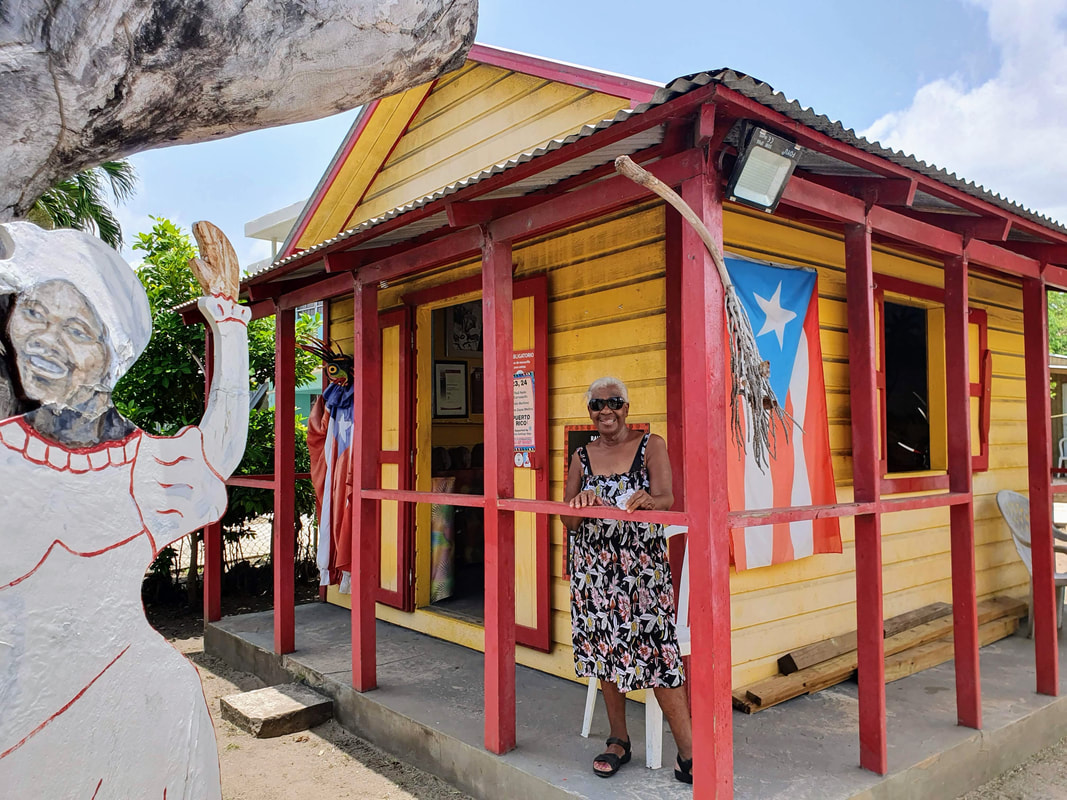
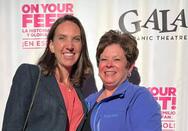
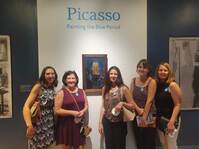
Loiza, Puerto Rico 22 July 2023 Washington, D.C. is a vibrant city known for its rich cultural diversity. Among the numerous communities that contribute to the city's multicultural fabric, the Spanish-speaking population holds a prominent place. Whether you're a Spanish language enthusiast, a culture aficionado, or simply looking to immerse yourself in a different experience, Washington, D.C. offers a plethora of opportunities to explore and enjoy Spanish language and culture. Check out our top 5 ways to get involved with Spanish culture right here in D.C.! 1. WATCH A PLAY AT EL TEATRO GALA For theater enthusiasts looking to experience the magic of Spanish-language performances, a visit to El Teatro Gala is a must. Located in the heart of Washington, D.C., this theater is dedicated to showcasing Hispanic and Latin American plays, bringing the richness and diversity of Spanish-speaking cultures to the stage. From contemporary works to classic masterpieces, El Teatro Gala offers a range of thought-provoking and entertaining productions that captivate audiences. Immerse yourself in the world of Spanish-language theater and witness the talent of actors, directors, and playwrights as they bring stories to life in a truly captivating manner. 2. ATTEND CULTURAL EVENTS AND FESTIVALS Washington, D.C. hosts numerous cultural events and festivals celebrating the vibrant Spanish-speaking communities. TorcuArt's Flamenco Festival, the Latino Heritage Festival, Fiesta DC, and the Smithsonian Folklife Festival are just a few examples of the exciting celebrations where you can immerse yourself in the sounds, tastes, and traditions of different Spanish-speaking countries. From lively music and dance performances to delicious cuisine and artisanal crafts, these events offer a fantastic opportunity to engage with Spanish culture and connect with the local community. 3. VISIT LOCAL MUSEUMS TO VIEW SPANISH EXHIBITIONS Washington, D.C. is home to several world-class museums that regularly feature exhibitions on Spanish artists. The National Gallery of Art , the Phillips Collection, among many others, often host exhibitions dedicated to Spanish masters such as Francisco de Goya, Diego Velázquez, and Pablo Picasso. Explore their masterpieces, learn about their artistic techniques, and gain a deeper understanding of the historical and cultural contexts in which they created their iconic works. 4. CLIMB THE SPANISH STEPS Located in the historic neighborhood of Kalorama, the Spanish Steps (Escalinata) are a must-visit destination for any lover of Spanish culture. Inspired by the famous Spanish Steps in Rome, this charming staircase adorned with intricate tile work and a beautiful fountain serves as a gathering place for locals and tourists alike. Take a leisurely stroll through this picturesque spot, soak in the vibrant atmosphere, and perhaps practice your Spanish with fellow visitors. 5. JOIN A SPANISH LANGUAGE MEETUP If you're eager to practice your Spanish language skills, join the Work-Life Spanish Meetup group! Events cater to Spanish learners and native speakers alike and provide a friendly and supportive environment where you can engage in conversations, improve your fluency, and engage in cultural experiences around the DC metro area. Washington, D.C. is not only the political hub of the United States but also a melting pot of cultures, including a vibrant Spanish-speaking community. Signing up for Spanish language classes at Work-Life Spanish will not only help you learn another language, but will open your eyes to the richness of the Spanish language and culture both abroad and here in the nation's capital. |


AuthorTara Pérez Archives
October 2025
Categories
All
|